

Choosing signage materials
The right material affects how a sign looks, how long it lasts and how often it needs replacing. Here are the practical options for indoor, outdoor and mobile signage, so you can match the job to the site.
Start with where the sign will be used
Before choosing colours, finishes or fixing methods, look at the site first. A reception wall sign in a dry office has very different demands to a board on a windy roadside or branding on a delivery bakkie that stands in the sun all day. In Cape Town and nearby Western Cape areas, salt in the air, winter rain and strong summer UV all matter, especially near the coast.
Indoor signs can usually focus on neat appearance and easy reading. Outdoor signs need stronger materials, proper mounting and finishes that cope with water, heat and fading. Vehicle graphics must also handle movement, washing and curved panels. If the sign is for a short event, it may not need the same lifespan as a permanent office or retail installation.
- Indoor use: reception areas, passages, meeting rooms, directories, wall branding.
- Outdoor use: shopfront fascias, pylon signs, contractor boards, estate boards, roadside signs.
- Mobile use: cars, vans, trailers, fleet vehicles and temporary event structures.
- Short term use: promotions, exhibitions, launches and seasonal campaigns.
- Longer term use: fixed branding, safety signs, wayfinding and permanent tenant signs.
If you are unsure, start by telling us where the sign will sit, how long it must last and whether it will be moved. That usually narrows the material choice quite quickly.
Best materials for indoor signs
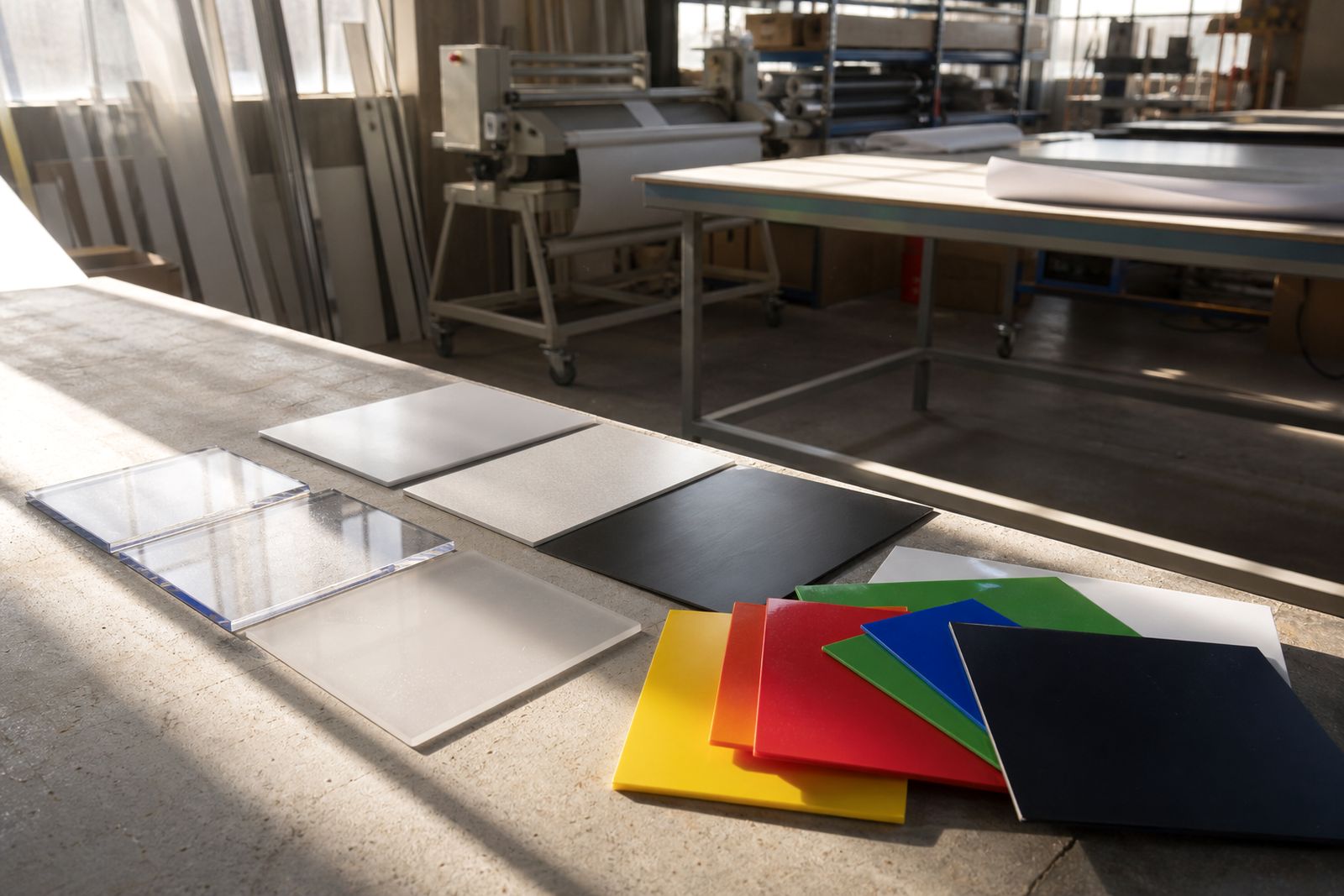
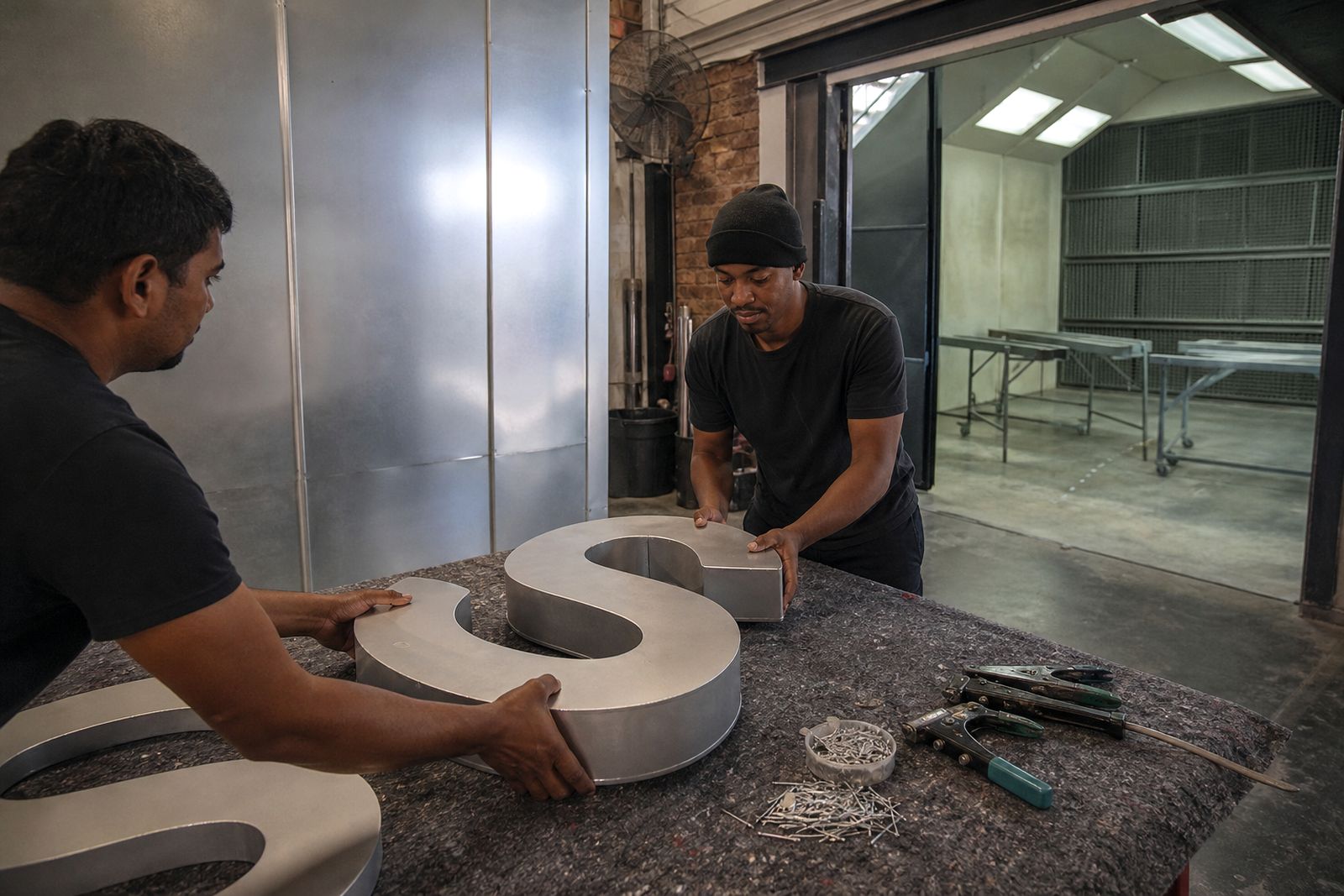
Indoor signage gives you more flexibility because it is protected from direct weather. For reception branding, fabricated perspex letters are a common choice because they give a clean, finished look and can be spaced off the wall for shadow detail. Aluminium letters also work well where a sharper, more architectural look is needed.
Plaques and directory signs often use rigid sheet materials that stay flat and hold printed or engraved detail clearly. For office names, room numbers and directional signs, engraved plates are practical because engraving is permanent and easy to wipe clean. Printed wall panels are useful when you need larger graphics, maps or branded messaging across a wider area.
Window vinyl is also useful indoors, especially for boardrooms and glazed partitions. Frosted film gives privacy while still letting light through. Cut vinyl lettering suits opening hours, room names and simple branding where you want a neat finish without a full printed panel.
For indoor use, think about glare from lighting, viewing distance and how often the sign may need updating. Directory inserts and modular panels can save time where tenants or departments change often.
What works outside in Cape Town conditions
Outdoor signs need more thought because sun, rain and wind all shorten the life of poor material choices. In coastal parts of Cape Town, fittings and faces should be chosen with corrosion and moisture in mind. Rigid metal sign boards, aluminium composite style panels, fabricated letters and properly tensioned banner systems are all common outdoor options depending on the job.
For shopfronts and business parks, fabricated letters and wall mounted signs offer a durable finish when fixed correctly. Light boxes work well where visibility at night matters, such as takeaways, service counters and roadside retail. Contractor boards and construction signs need enough stiffness to stay readable in wind and enough support to meet site rules.
- Use rigid panels for long term outdoor branding and information signs.
- Choose UV protected print finishes where colour retention matters.
- Check whether the site is exposed to coastal spray or strong prevailing wind.
- Match the fixing method to the wall, fence or frame, not just the sign face.
- Allow for municipal requirements on size, placement and visibility where applicable.
Outdoor signs fail most often at the edges, fixings or frames rather than the printed face. A good looking panel can still become a problem if water gets in or the mounting is not suited to the surface. That part is often overlooked, but it matters.
Printed vinyl, banners and fabric displays
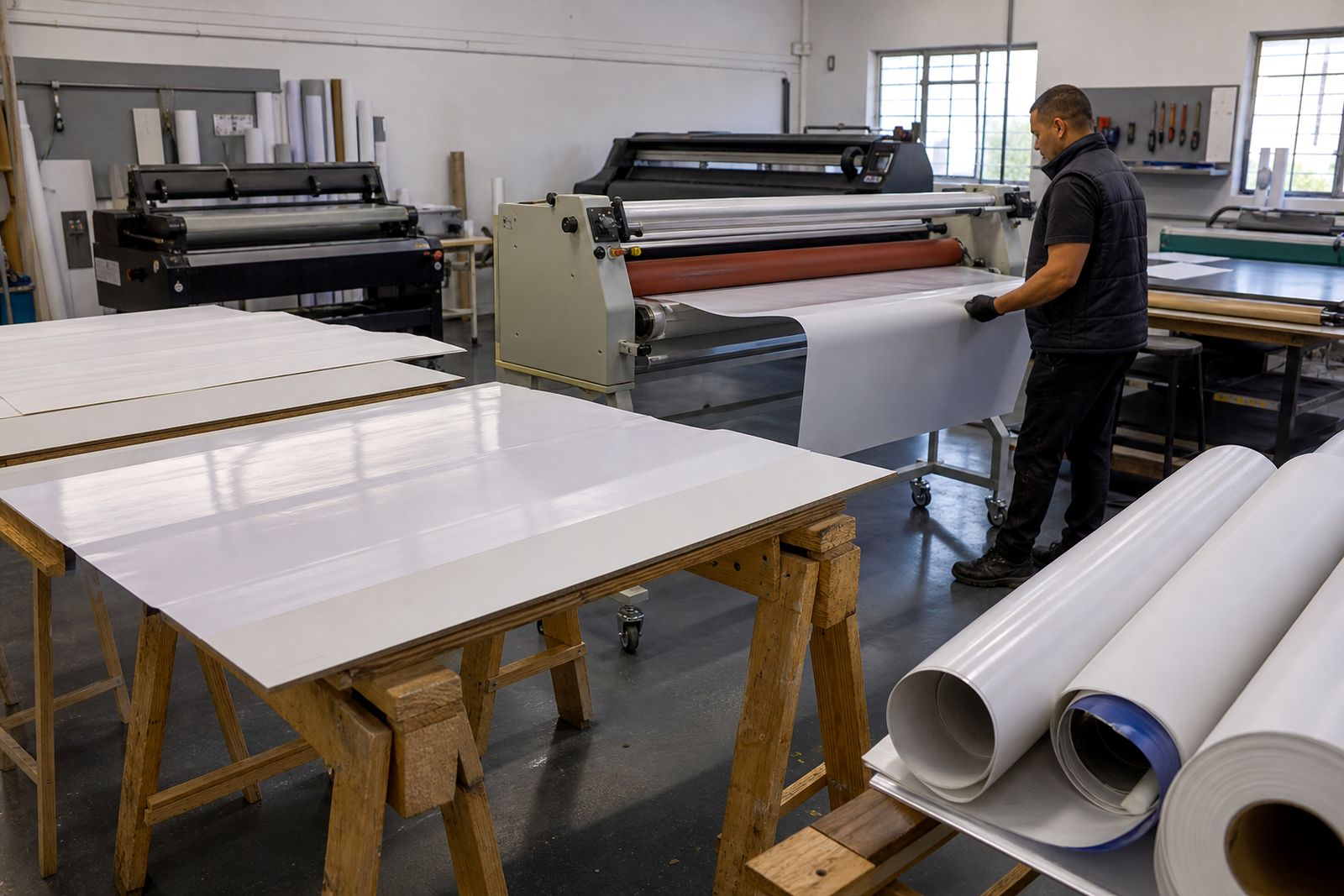
Printed materials are useful when you need strong graphics, quicker turnaround or repeat promotions. Vinyl prints suit windows, wall panels, temporary boards and many flat surfaces. For outdoor use, a UV coated print can help protect colour and make cleaning easier. This is helpful for signs exposed to dust, traffic grime or regular wiping.
PVC banners are a practical choice for events, short term promotions and sites where a lighter sign is easier to install. They are also easier to transport than rigid boards. The trade off is that banners are not always the best option for long term use in exposed wind unless the system is set up correctly with proper hems and eyelets.
Flags and pop up displays are often chosen for activations, exhibitions and forecourts. They are portable and visible but should be treated as display items rather than permanent signage. A-frames work well for pavements and entrances where the message changes from time to time, provided local placement rules are followed.
If you run regular promotions across several branches or repeated events, artwork can be kept on file for reprints. That helps keep branding consistent and can speed up repeat orders.
Materials for vehicles, windows and moving surfaces
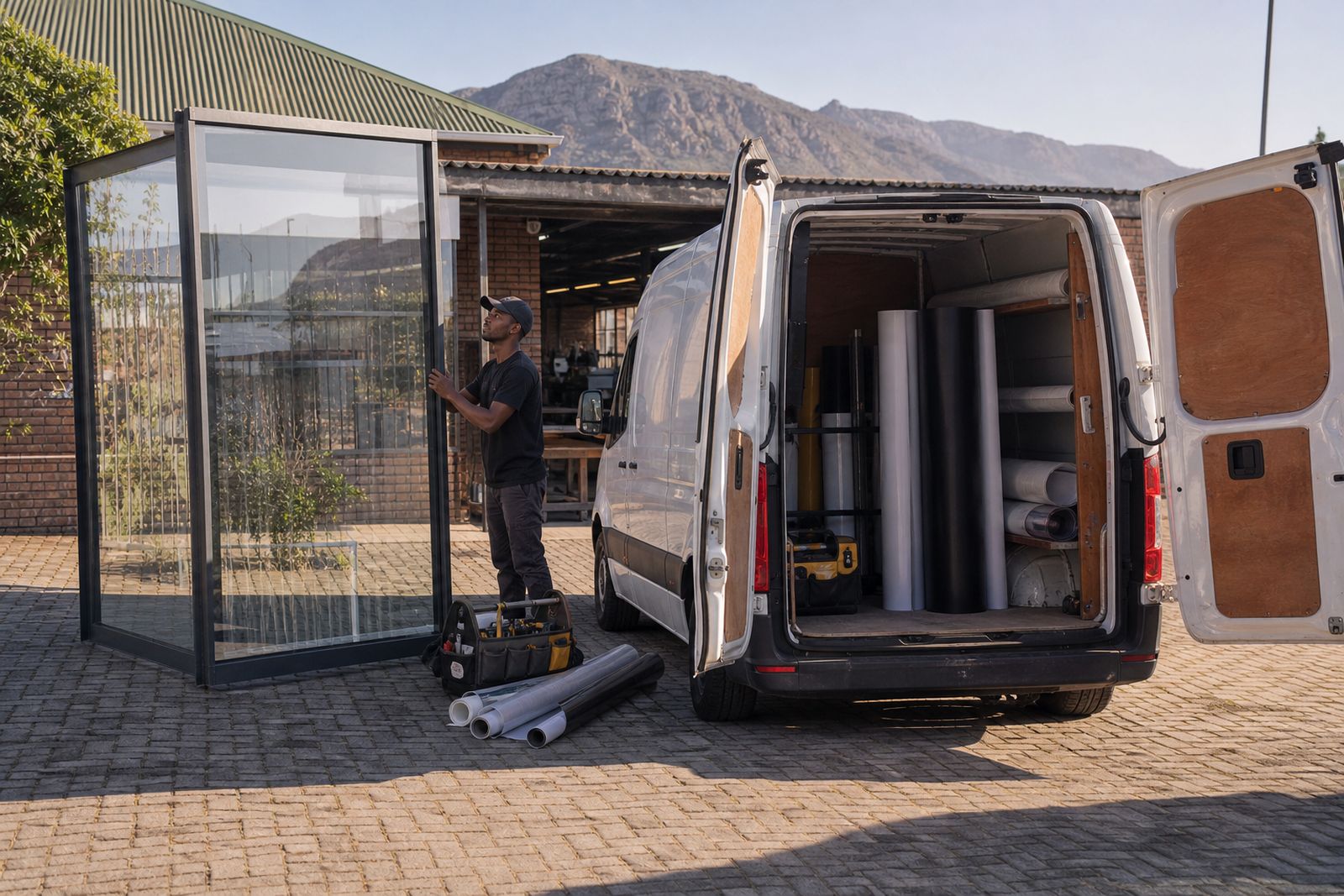
Vehicle branding needs materials that can flex, hold colour and stay put on curved or painted panels. For simple identification, cut vinyl lettering is often enough for company names, contact details and fleet numbers. For stronger visual coverage, printed vehicle graphics or wraps cover larger areas and can include full colour imagery.
Not every vehicle needs a full wrap. In many cases, partial branding on doors, tailgates and side panels gives clear visibility without covering every surface. For fleets, consistency matters more than overdoing the graphics. Window decals can also be used, but they should not interfere with legal visibility or safety requirements.
- Use cut vinyl for clean text and simple logos.
- Use printed graphics where photos, fades or larger colour blocks are required.
- Choose wrap materials for compound curves and fuller coverage.
- Allow enough curing and fitting time for better adhesion, especially in damp or cold weather.
- Plan around cleaning schedules, because harsh washing shortens the life of graphics.
Shopfront windows follow similar rules. Frosted film, promotional vinyl and full colour graphics all have their place. The best choice depends on whether you need privacy, branding, seasonal messages or sun screening. Large glass areas can look excellent with the right material, but accurate measuring is important and old film removal sometimes takes longer than expected.
A simple checklist before you order
Good material choices come from clear information. Before sending an enquiry, gather the basics so the sign can be specified properly from the start. This helps avoid delays, especially when access equipment, site rules or power supply for illuminated signs must be checked.
- Where will the sign be installed, and is it indoor, outdoor or on a vehicle?
- What size do you need in millimetres or metres?
- How long should it last: short campaign, medium term or permanent?
- Will it be seen up close, from a passing car or from across a parking area?
- Does it need lighting, engraving, UV coating or a specific fixing method?
- Are there landlord, body corporate or municipal rules for the site?
- Do you already have print ready artwork, or should existing branding be matched?
- Will you need repeat batches later for other branches, vehicles or events?
If you are not sure which material fits the job, send the sign location, approximate size and the wall or surface type through the enquiry form on our contact page. We can recommend a practical option based on appearance, lifespan and installation needs, without making the spec more complicated than it needs to be.
For many businesses the best result is not one material across everything, but a sensible mix. A perspex reception sign, aluminium outdoor lettering, UV coated printed boards and vinyl on vehicles can all work together when each item is matched to its use.
What our Signage customers say
Verified Google reviews
Questions we get asked
What is the best material for an outdoor business sign?
It depends on the size, exposure and how long the sign must last. For many outdoor jobs, rigid metal based panels, fabricated letters or light boxes are more suitable than temporary banner material.
Can the same artwork be used again for repeat signs?
Yes. Artwork can be kept on file for repeat orders, which helps when you need additional boards, extra vehicle graphics or signs for another branch.
Are banners suitable for long term outdoor use?
They can work for certain sites, but banners are usually better for short to medium term use. In exposed wind or coastal conditions, a rigid sign board is often the better choice.
Also worth a look

Ask for a quote
Send the sign type, approximate size, quantity, site and timing through the contact form, and S Signs will reply with practical options and a quote.
Open the contact form