

Guides
Here are the practical points that matter before a sign is printed, fabricated or fitted. Use these notes to compare materials, prepare artwork properly and choose signage that suits your site, budget and working conditions.

What You Will Find In These Guides
They help businesses order signs with fewer delays and fewer surprises on site. They cover the common decisions around materials, print setup, finishes, mounting methods and where different sign types work best. If you are ordering for one shopfront or for several branches across Cape Town and nearby parts of the Western Cape, a bit of planning upfront usually saves time later.
You will also find guidance for repeat work. If your branding is used on vehicles, reception walls, directional signs and event displays, it helps to keep artwork consistent and sized correctly from the start. We can keep approved artwork on file for repeat orders, which makes future print runs and replacement signs easier to manage.
Choosing The Right Sign For The Job
Different sign types solve different problems. A window graphic may be right for trading hours and promotions, while fabricated letters suit a reception area or office frontage. For roadside visibility, larger boards, pylons or billboards are often the better route. The best choice depends on viewing distance, weather exposure, wall condition and how long the sign needs to last.
- Shopfront branding: good for retail visibility, trading hours, specials and wayfinding at street level.
- Vehicle graphics: useful when your fleet moves between suburbs or sites every day.
- Fabricated letters and corporate signs: suited to offices, reception areas and permanent branding.
- Banners, flags and pop up displays: practical for events, short term campaigns and mobile promotions.
- Construction and contractor boards: used for site identification, safety notices and contact details on active projects.
- Pylons and billboards: best where visibility is needed from a distance or from a busy road.
If you are not sure which route to take, start with where the sign will sit, how far away people will see it from and whether it must handle wind, sun and coastal moisture.
A Practical Material Comparison
Material choice affects lifespan, appearance and maintenance. In Cape Town, strong sun, winter rain and coastal air can all influence what performs well outdoors. Indoor signs have more flexibility, but finish and mounting still matter.
- Perspex: neat finish, good for reception signs, cut letters and illuminated faces. Works well indoors and in many outdoor applications.
- Aluminium: a solid option for fabricated letters, trays and long term outdoor signs. Lighter than steel and commonly chosen for exposed areas.
- PVC banner material: suitable for temporary promotions, events and fence banners. Easy to roll and transport.
- Vinyl: used for windows, vehicles and flat panels. Best when the surface is clean, sound and properly prepared.
- Metal sign boards: useful for durable outdoor notices, industrial sites and larger fixed boards.
For outdoor work near the coast, we usually look closely at fixing methods and finishes, not just the face material. A good sign can still fail early if the wall surface is poor or if the fittings are wrong for the location.
Before You Send Artwork
Clear artwork speeds up quoting, proofing and production. If a file is too small, built in the wrong colour mode or missing fonts and logos, the job may need rework before it can move ahead. That is especially important for large format graphics where small file problems become very visible once printed big.
As a general rule, logos should be supplied as vector artwork where possible. Photos need enough resolution for the final print size, and brand colours should be supplied consistently across branches and vehicles. If your team orders the same items regularly, such as estate boards or contractor signs, keeping one approved master file on hand helps a lot.
- Check spelling, unit numbers and contact details before approval.
- Confirm final sizes in millimetres or metres, depending on the sign type.
- Mark whether the sign is for indoor or outdoor use.
- Note if the artwork will be reused on banners, vehicles or window graphics.
Printing, Coating And Fitting Considerations
Print method and finishing should match the job. For example, digitally printed graphics with UV coating can be a good choice where colour, image detail and extra surface protection are needed. Window graphics may need to allow for visibility, internal light and how the glass is cleaned. Vehicle wraps need clean panels, time for proper application and stable conditions while fitting.
Fitting is just as important as production. Wall type, height, access and municipal rules can all affect the final plan. A sign fixed onto smooth internal drywall is very different from one going onto exterior brickwork or above a busy entrance. On some sites, access times and power cuts can also affect installation scheduling, so it helps to plan ahead and allow a little room for site conditions.
How To Decide Between Temporary And Permanent Signage
A short campaign and a long term site sign should not be built in the same way. Temporary signage needs quick turnaround, easy transport and straightforward replacement. Permanent signage needs stronger materials, better structural support and a finish that still looks presentable after months of sun and rain.
- Choose temporary signage when: the message changes often, the display is event based or the sign must move between venues.
- Choose permanent signage when: branding must stay in place, the sign faces weather daily or the location is part of your regular trading setup.
- Choose a mixed approach when: the main branding is fixed but promotions change seasonally.
This is often the most cost effective route in practice. Keep the main fascia, directory or wall sign consistent, then update the promotional layer as needed with banners, window vinyl or printed inserts.
Explore the range
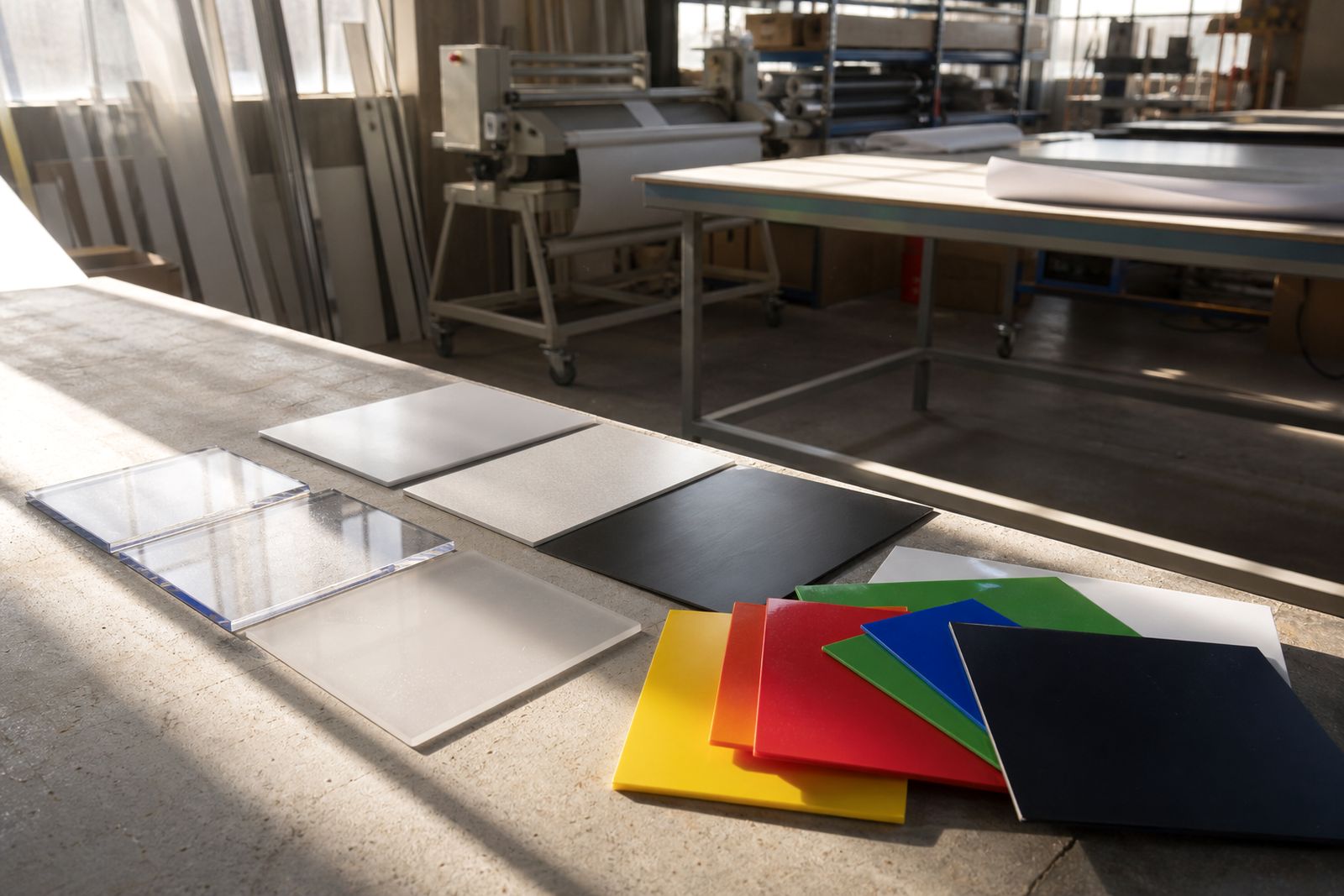
Choosing signage materials
Materials for shopfronts, offices, vehicles, events and outdoor sites, and where each one works best.
Read more
Preparing artwork for print
What print-ready artwork needs for signs, banners, boards and vehicle graphics.
Read more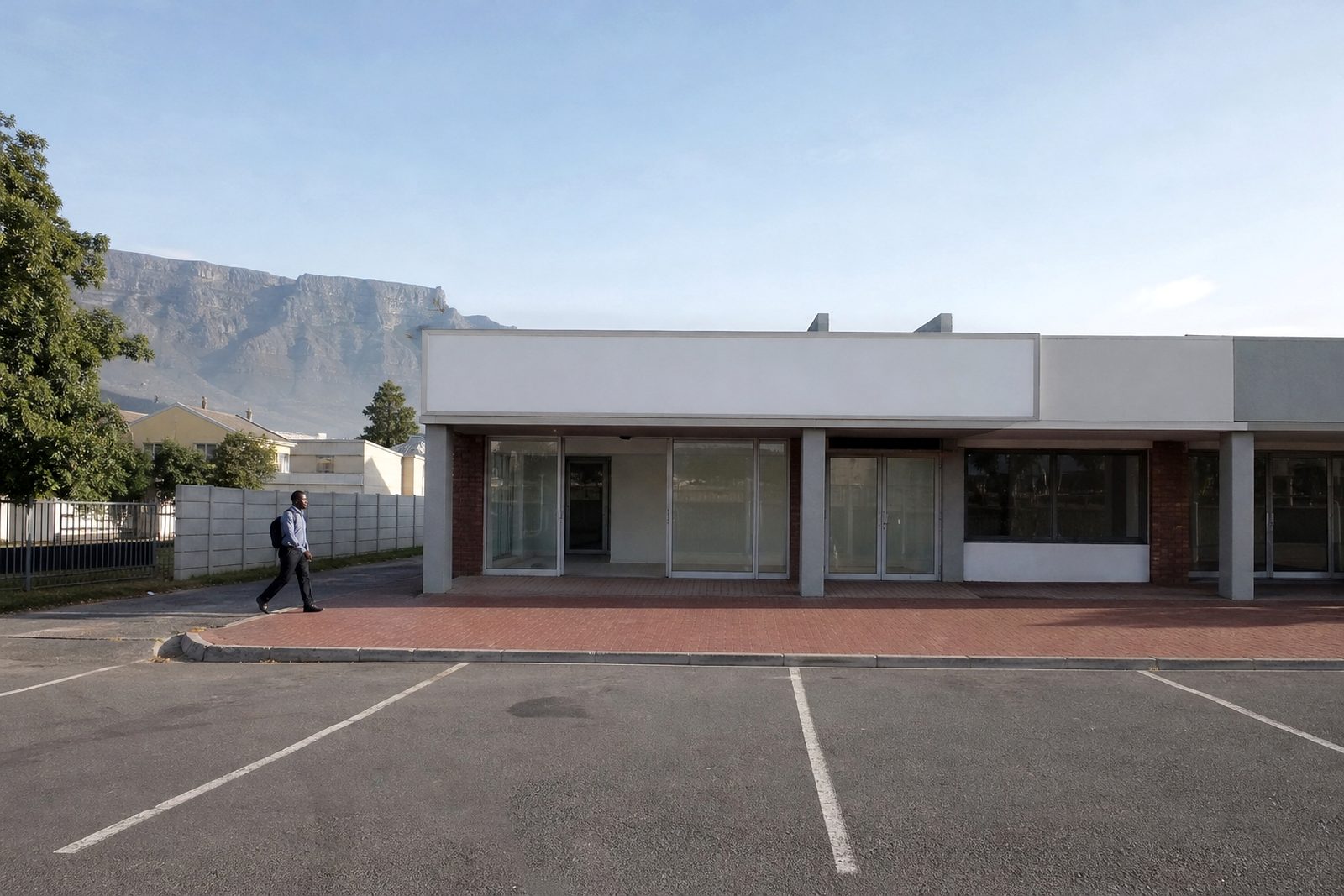
Sign size and viewing distance
Work out letter height, layout and contrast from the distance people really read your sign.
Read more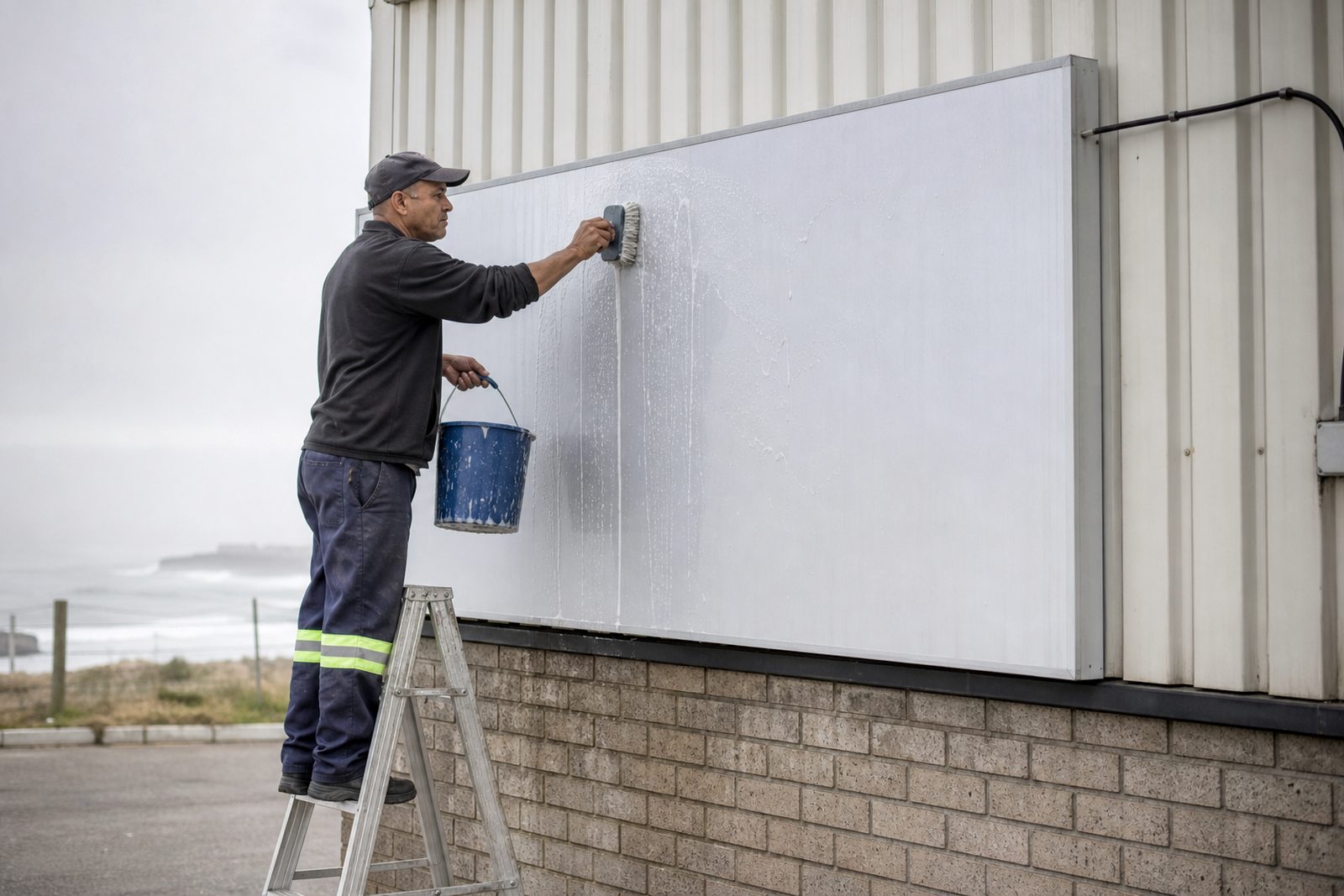
Looking after outdoor signs
Simple cleaning and care for outdoor signs, banners, light boxes and vehicle graphics in coastal weather.
Read moreWhat our Signage customers say
Verified Google reviews
Questions we get asked
Can you help if we need the same artwork used again later?
Yes. Approved artwork can be kept on file for repeat orders, which is useful for fleets, branches, estate boards, contractor boards and recurring event material.
What is the most common reason signage jobs get delayed?
Artwork issues and site access are the usual hold ups. Low resolution files, missing logos, late wording changes or unclear fitting conditions can all slow a job down.
Do outdoor signs need different materials in coastal areas?
Often yes. Coastal moisture, wind and strong sun can affect both materials and fixings, so outdoor signs near the coast usually need more careful material and mounting choices.
Ask for a quote
Send the sign type, approximate size, quantity, site and timing through the contact form, and S Signs will reply with practical options and a quote.
Open the contact form