A-frames
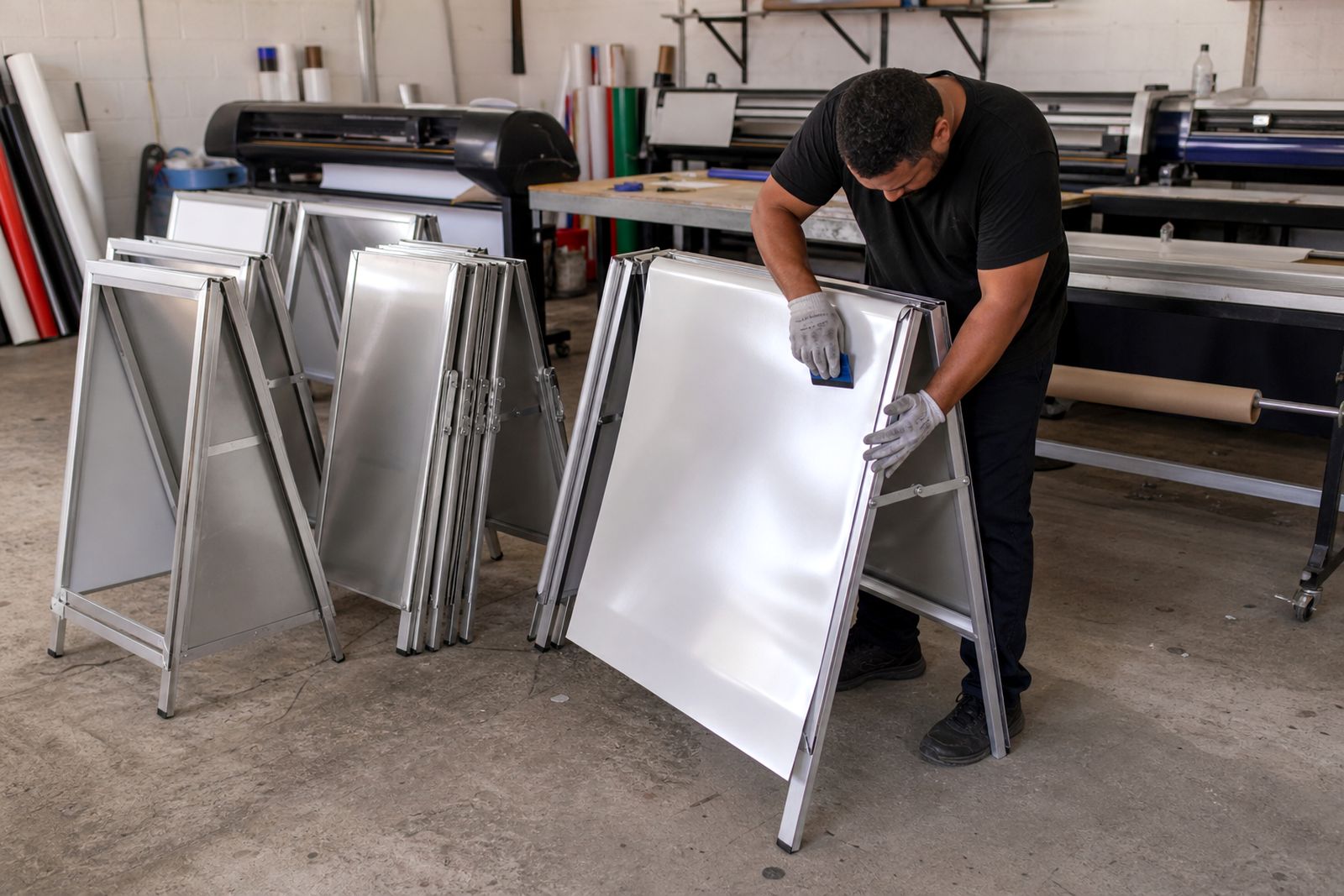
A-frames are freestanding display boards used outside shop entrances, on pavements and at event access points. They are a practical way to show trading hours, daily specials, directions or short promotional messages where people walk past.
What an A-frame is used for
An A-frame is a fold-out sign with two display faces joined at the top so it can stand on its own without wall fixing. It suits businesses that need a message close to foot traffic, such as cafés, salons, estate offices, hardware counters, showrooms, event venues and temporary activation points. In Cape Town they are commonly used just inside a shopping centre entrance, outside a shopfront, or near reception areas where visitors need clear direction.
Because the board is movable, it works well for messages that change during the week. You can use it for opening notices, directional arrows, queue control, event branding or short campaign offers. Artwork can be kept on file for repeat orders, which helps when branches need matching boards or when a seasonal message comes back again later.
- Freestanding display for entrances and pavements
- Two readable faces for traffic from both directions
- Suitable for short messages, branding and wayfinding
- Easy to move in at closing time or in bad weather
Sizes, materials and working limits
Most A-frames are made with a metal or rigid polymer frame and printed panels fixed or inserted on each side. The right size depends on viewing distance, the amount of copy, and how exposed the site is to wind. For a narrow pavement or indoor foyer, a compact unit is usually enough. For a forecourt or broad walkway, a larger face gives better read distance.
Common working sizes include A2, A1 and A0 face areas, with custom sizes available where access allows. Smaller boards are easier to carry and store, while larger boards need more stable footing and more clear space around them. In exposed coastal areas, especially along the Atlantic Seaboard and False Bay, very light boards can tip if left out in gusts, so site conditions matter quite a bit.
- A2 suits indoor entrances, receptions and tighter walkways
- A1 is a common all-round option for shops and pavements
- A0 suits larger forecourts, open event areas and longer viewing distance
- Printed faces can be direct print, mounted print or replaceable poster inserts
- For outdoor use, weather resistant print and protective finishing are recommended
A-frames are not the best choice where you need very long copy, fine detail, or visibility from fast-moving traffic. In those cases a wall mounted sign, pylon sign or larger board is usually better. They are also not ideal on steep slopes, uneven paving, or in places where pedestrians must squeeze past the sign to enter the premises.
Where A-frames suit, and where they do not
A-frames work best where people are already moving slowly enough to read a short message. That includes outside take-away shops, bakeries, pharmacies, estate offices, gym entrances, office parks, school functions and event registration points. They also help where your main fascia sign is set back from the pavement and passing foot traffic needs a closer prompt.
They do not replace fixed external signage. If your priority is long range visibility from a busy road, or permanent branding that stays up through wind and rain, a fabricated or mounted sign is a better fit. An A-frame should be treated as a local, close-range sign. Keep wording short and type large, otherwise people pass before they finish reading.
- Best for close-range foot traffic
- Useful for daily specials, arrows, opening info and event messages
- Less suitable for high-speed roads or distant viewing
- Not recommended where municipal pavement rules prohibit obstruction
Placement, site requirements and municipal points
Before production, it helps to check exactly where the board will stand. The surface should be level enough for the frame to sit firmly with both sides opened correctly. On brick paving, rough concrete or tiled entrances, we look at wobble risk and pedestrian flow so the board does not become a trip point. If the sign will be used outdoors every day, plan for staff to bring it in during strong wind or heavy rain.
For public pavements in Cape Town and nearby towns, placement may be affected by centre management rules, body corporate rules or municipal requirements. The board should not block wheelchair movement, door swing areas, emergency exits or queue lines. In shopping centres and office blocks, some sites allow only specific sizes or specific positions, so it is worth checking first to avoid rework.
- Measure available floor or pavement space
- Allow safe pedestrian clearance around the board
- Confirm any landlord, centre or municipal restrictions
- Note wind exposure, especially near corners and sea-facing streets
- Plan indoor storage after hours where possible
Artwork, print finish and day to day care
Good A-frame artwork is simple. Use one key message, strong contrast and lettering that can be read in a few seconds. If you need to show a menu or detailed product list, a mounted wall panel or window graphic often performs better. For outdoor boards, a protective finish helps the print handle sun, light moisture and general handling. UV coated print is a good option for boards that spend long hours in daylight.
Routine care is straightforward. Wipe faces with a soft damp cloth and avoid harsh solvent cleaners that can mark the print or dull clear covers. Hinges and frame joints should be checked now and then, especially on boards moved in and out daily. If a panel gets damaged, replacement is usually simpler when the original artwork is already on file.
- Keep copy short and readable from a few metres away
- Choose high contrast colours for better legibility
- Clean gently with a soft cloth
- Store under cover during severe weather and after trading hours
- Ask for repeat prints if the same campaign runs again
What to tell us when you enquire
To quote correctly, we need a clear picture of the site and how the board will be used. A short note on the entrance or pavement helps a lot, along with rough measurements of the available standing area. If the board is for multiple branches, tell us whether all branches need the same size and artwork or if each one needs its own message. That saves time later and helps us keep the order moving.
Please also let us know whether the board is for indoor or outdoor use, whether you need a fixed printed face or a changeable insert system, and whether there are any building or centre rules to work around. If you already have artwork, send the file through the enquiry form on the contact page. If not, tell us the wording, logo use and any colour requirements and we can advise on a practical layout. Fast turnaround is often possible, but final timing depends on print readiness and the build required.
- Preferred face size such as A2, A1 or A0
- Indoor or outdoor use
- Single branch or multi-site requirement
- Fixed graphics or replaceable posters
- Where it will stand and the space available
- Any deadlines for openings, promotions or events
What our Signage customers say
Verified Google reviews
Questions we get asked
Can an A-frame be left outside all the time?
It depends on the frame type and how exposed the site is. In windy or coastal areas we usually recommend bringing the board inside after hours and during severe weather.
What size works best for a shop entrance?
A1 is a common choice because it balances visibility and floor space, but tighter entrances may suit A2 and larger forecourts may suit A0.
Can you reprint the same artwork later?
Yes. If the artwork is kept on file, repeat orders are simpler and useful for branch roll-outs or recurring promotions.
Also worth a look
Ask for a quote
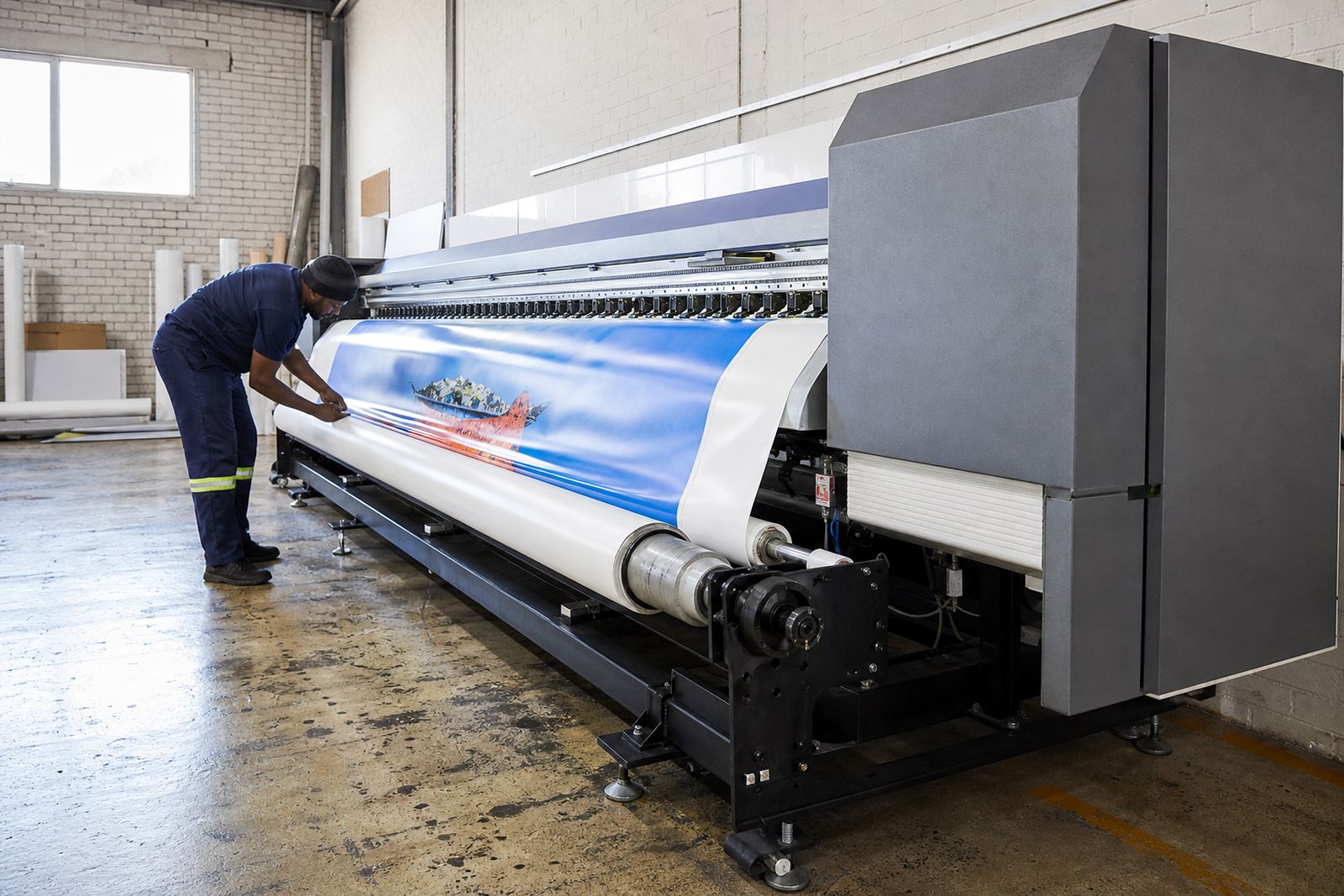
Send the sign type, approximate size, quantity, site and timing through the contact form, and S Signs will reply with practical options and a quote.
Open the contact form